Understanding Ласэк and Its Benefits
Ласэк (Laser-assisted subepithelial keratectomy) is a cutting-edge eye surgery technique designed to correct vision and enhance the quality of life for individuals suffering from refractive errors. As the world embraces technological advancements, the proliferation of laser treatments has revolutionized ophthalmology, creating opportunities for more personalized and effective healthcare solutions. At SNU Eye Clinic, we prioritize tailored treatment plans, offering comprehensive evaluations and innovative surgical methods. When exploring options, Ласэк provides comprehensive insights into vision correction.
What is Ласэк?
Ласэк is a laser vision correction procedure that combines the benefits of LASIK and PRK (Photorefractive Keratectomy). It involves the use of a laser to reshape the cornea, allowing light to focus correctly on the retina. Unlike LASIK, which requires the creation of a corneal flap, Ласэк utilizes a more superficial approach, preserving the integrity of the corneal surface. This technique is especially beneficial for patients with thin corneas or those who are not suitable candidates for LASIK surgery.
During the Ласэк procedure, the epithelium (the outer layer of the cornea) is gently removed before the laser reshapes the underlying tissue. Following the laser application, a special bandage contact lens is placed over the eye to facilitate healing. Recovery time is generally longer than LASIK, but many patients find the results comparable or even superior.
Key Advantages of Ласэк for Vision Correction
- Corneal Integrity: Ласэк maintains greater corneal integrity by avoiding flap creation, making it suitable for patients with thinner corneas.
- Reduced Risk of Complications: As a flapless procedure, Ласэк may reduce the risk of flap-related complications that can occur with LASIK.
- Excellent Outcomes: Many studies have shown that Ласэк can achieve visual acuity results similar to those of LASIK.
- Enhanced Safety: Ласэк is effective for patients with certain eye conditions that may preclude them from standard LASIK surgery.
How Ласэк Compares to Other Eye Surgery Techniques
When evaluating eye surgery options, it's essential to understand how Ласэк stands alongside its counterparts, such as LASIK and PRK. LASIK is often favored for its quick recovery and minimal discomfort; however, it may not be suitable for all patients. PRK, similar to Ласэк, is another flapless technique but involves a longer healing process since the epithelial layer is removed entirely.
Patients may prefer Ласэк due to the preservation of corneal structure, which can lead to fewer long-term complications. Each technique offers unique benefits and considerations, emphasizing the importance of personalized treatment planning at SNU Eye Clinic.
Pre-Surgical Preparations at SNU Eye Clinic
Preparation for eye surgery is crucial for optimal outcomes. At SNU Eye Clinic, we take a comprehensive approach to ensure every patient is adequately prepared for their Ласэк procedure. Our team conducts extensive examinations and assessments to understand your unique vision needs.
Comprehensive Eye Assessments: What to Expect
Patients attending SNU Eye Clinic can expect a thorough evaluation, including:
- Detailed vision tests to assess refractive error and overall eye health.
- Corneal topography to map the curvature of the cornea, ensuring precision in treatment planning.
- Measurement of pupil size and assessment of tear film quality to identify any potential complications.
Your surgeon will review all findings to determine the most suitable surgical approach, ensuring that the Ласэк procedure aligns with your specific needs and lifestyle.
Choosing the Right Procedure for Your Needs
Deciding on the appropriate corrective surgery involves a collaborative discussion between the patient and the ophthalmologist. Factors such as the severity of refractive errors, eye health, and lifestyle considerations will shape the decision-making process. At SNU Eye Clinic, we educate our patients about all available options, including Ласэк, to empower them with knowledge for making informed choices.
Patient Testimonials and Success Stories
Success stories shared by our patients serve as a testament to the effectiveness and safety of Ласэк surgery. Many have reported significant improvements in their daily lives, from engaging in sports without glasses to enjoying clearer vision while driving at night. These testimonials underscore the transformative power of personalized eye care.
The Surgical Process Explained
Understanding the surgical process can alleviate concerns and help patients feel more prepared for their Ласэк procedure. Here’s a breakdown of what to expect during the surgery.
Step-by-Step Overview of the Ласэк Procedure
- Preoperative Preparation: Patients receive antiseptic eye drops and, if needed, sedation to ensure comfort.
- Removal of the Epithelium: The outer layer of the cornea is gently removed using a special technique.
- Laser Reshaping: A precise laser is applied to reshape the cornea, correcting the refractive error.
- Application of Bandage Contact Lens: A soft contact lens is placed on the eye to support healing.
- Postoperative Follow-Up: Patients are advised on aftercare and scheduled for follow-up visits to monitor recovery.
Advanced Technology and Equipment Used
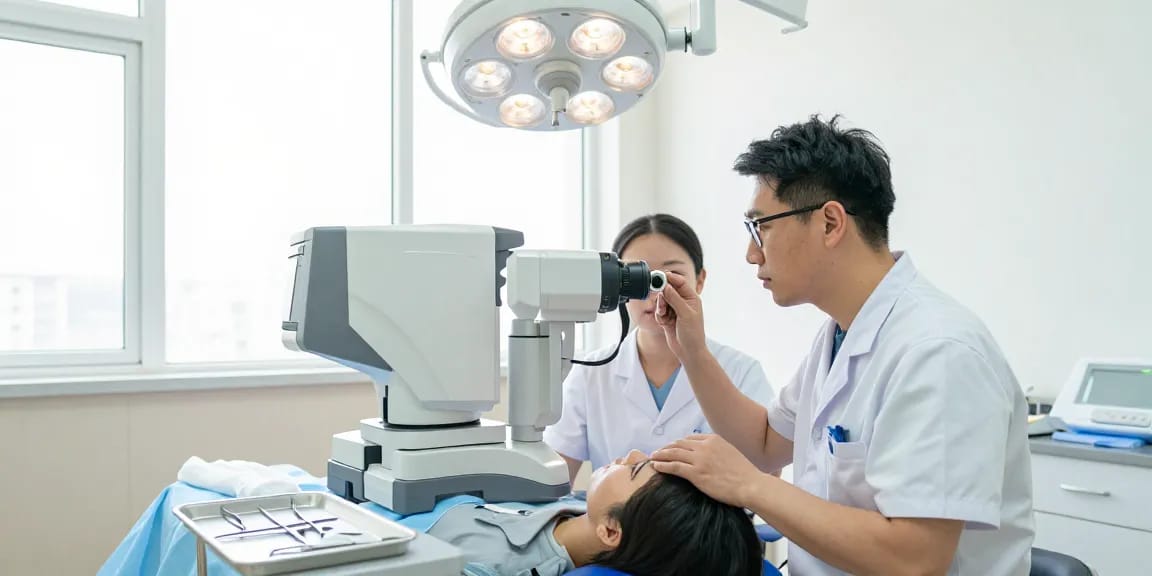
At SNU Eye Clinic, we utilize cutting-edge technology to enhance surgical precision and patient safety. This includes advanced laser systems equipped with the latest software for accurate corneal mapping and treatment delivery. Our state-of-the-art facilities ensure that patients receive the highest standard of care throughout their surgical journey.
Post-Surgery Care: What to Know
Post-operative care is essential for a successful recovery. Patients are provided with instructions on medication usage, eye drops, and activity restrictions. Most importantly, avoiding rubbing the eyes is critical during the healing process. Regular follow-up appointments allow our team to evaluate recovery and address any concerns that may arise.
Potential Risks and Considerations
While Ласэк is a safe and effective procedure, potential risks and considerations must be discussed with patients. Understanding these factors can help manage expectations and ensure a smoother recovery.
Common Misconceptions about Ласэк Surgery
One common misconception is that all laser eye surgeries are the same. However, Ласэк’s unique methodology sets it apart and offers distinct advantages, especially for specific patient profiles. Another misconception is about the pain level; while some discomfort may occur post-surgery, most patients report it to be manageable and temporary.
Addressing Patient Concerns and Questions
At SNU Eye Clinic, we encourage patients to voice their concerns. Our team is committed to providing transparent answers and reassurance regarding the entire process. Engaging in open dialogue promotes trust and confidence in the surgical decision.
Long-Term Vision Outcomes and Expectations
Long-term outcomes for Ласэк patients are generally favorable, with many achieving 20/25 vision or better. Studies indicate stable vision correction results up to several years post-surgery. Regular eye check-ups are advisable to monitor overall eye health and address any emerging issues.
Future Trends in Eye Care and Surgery
The field of ophthalmology is rapidly evolving, with innovations set to transform how we approach eye care and surgery in the coming years. Staying informed about these trends can help patients make better decisions about their vision correction options.
Innovations in Laser Eye Surgery by 2026
By 2026, we can expect advancements in laser technology that promote increased precision, quicker recovery times, and enhanced patient comfort. New techniques may also emerge that blend various procedures, offering patients broader alternatives tailored to their unique needs.
Expanding Access to Advanced Eye Care Techniques
Efforts to democratize access to advanced eye care are gaining momentum. As more clinics implement cutting-edge technologies, patients globally will benefit from improved treatments and outcomes.
Expert Insights on Evolving Practices in Ophthalmology
Leading ophthalmologists emphasize the continued importance of personalized care. As patient data becomes more integral to treatment planning, customization will likely lead to superior outcomes in vision correction.
What are the Long-Term Benefits of Ласэк?
The long-term benefits of Ласэк include improved visual acuity without the need for glasses or contact lenses, reduced dependency on visual aids, and enhanced quality of life. Patients often report increased satisfaction and confidence in their vision post-surgery.
Are There Age Limitations for Ласэк?
Ласэк is generally suitable for adults over 18, with the primary consideration being the stability of their refractive error. Age may play a role; however, many individuals in their 30s to 40s can still benefit significantly from the procedure.
What Recovery Looks Like After Ласэк?
Recovery from Ласэк involves several stages. Patients may experience some discomfort and visual fluctuations in the first few days. Most return to regular activities within a week, but a complete recovery can take several weeks as the cornea heals.
Is Ласèk Suitable for Everyone?
While Ласэк offers significant benefits, it may not be suitable for everyone. Factors such as corneal thickness, overall eye health, and existing medical conditions will influence eligibility. A thorough evaluation at SNU Eye Clinic can determine the best approach for each patient.
How Effective is Ласэк Compared to Glasses?
Ласэк provides a permanent solution to refractive errors, often eliminating the need for glasses or contacts altogether. Patients frequently experience clearer vision than they could achieve with corrective lenses, enjoying a newfound freedom in their daily activities.
What Are the Costs Associated with Ласэк?
The costs of Ласэк can vary based on specific needs and the technology employed during the procedure. At SNU Eye Clinic, we provide detailed estimates and discuss financing options to ensure patients receive the care they need within their budget.